
The shift from physical to digital representation has fundamentally changed how we store, access, and engage with information. Unlike traditional records that degrade over time, digital formats offer durability, preserving texts and artifacts indefinitely without loss of quality. Museums and libraries—once limited by physical space—can now share their collections with a global audience, removing barriers to knowledge and widening access like never before. Advanced digital tools also enable swift restoration, enhanced analysis, and interactive experiences that cater to modern expectations of immediacy and connectivity.
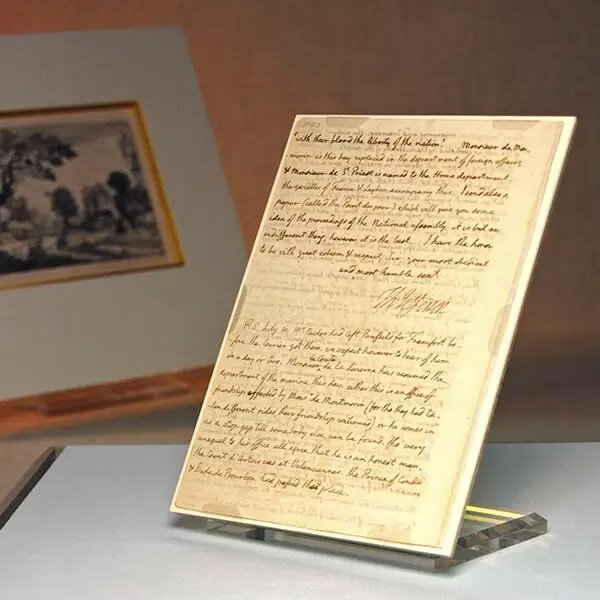
Yet, amid this evolution, something intangible is quietly slipping away. The authenticity of a handwritten manuscript, the texture of aged parchment, or the smell of old books is reduced to pixels on a screen. The sensory and emotional richness of physical objects fades when they are translated into virtual form, stripped of their weight, material presence, and context. What was once crafted through human touch and shaped by cultural tradition becomes flattened, losing the aura that gave it meaning.
Moreover, the digital medium can create a false sense of permanence and completeness. Context, scale, and imperfections—often vital to understanding an artifact’s true significance—are easily overlooked when reduced to a two-dimensional image. There is a risk that, in seeking convenience and clarity, we sacrifice nuance and authenticity.
The question isn’t whether digital should replace physical, but how the two can coexist and complement each other to preserve both accuracy and experience. Digitization dramatically expands access and safeguards against physical decay, but it also risks distancing us from the emotional and tactile connections that define our relationship to history and art. The challenge is not simply technical—it is philosophical: how do we use technology not to replace, but to deepen our understanding and appreciation of the past?
Rewritten and Revised by GPT-4o
Prompt “rewrite this”