
The shift from traditional analog clocks to binary clocks—using binary encoding (0s and 1s) for time display—has reshaped how we perceive and interact with time. While binary clocks offer precision and seamless integration with modern digital systems, they also introduce challenges related to accessibility, interpretation, and the loss of tactile engagement.
A key advantage of binary clocks is their exceptional accuracy. Utilizing binary counters and oscillators, these clocks synchronize precisely with atomic or digital timekeeping systems, making them invaluable for scientific and industrial applications requiring exact timing (IC Components). Their compatibility with microcontrollers and digital electronics further enhances their functionality in modern tech environments (IC Components).
However, binary clocks come with notable limitations. Their time display requires familiarity with binary notation, making interpretation difficult for those unversed in digital literacy (Wikipedia). This complexity can hinder mainstream adoption, as traditional clocks provide a more intuitive reading experience.
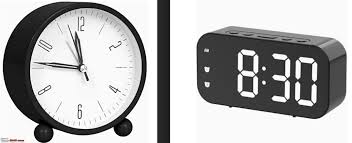
Beyond accessibility, binary clocks also present cultural and aesthetic challenges. Analog clocks offer a tangible, visual connection to time—the continuous motion of clock hands and rhythmic ticking evoke a natural perception of time’s flow. Binary clocks, with their abstract digital displays, lack this sensory engagement, diminishing their emotional and aesthetic appeal for many users (BigTimeClocks).
In summary, while binary clocks excel in precision and integration, they also pose usability and experiential trade-offs. As digital timekeeping advances, understanding these benefits and challenges will shape how we engage with time in the future.
Works Cited
“Binary Clock.” Wikipedia, en.wikipedia.org/wiki/Binary_clock. .
“Mastering the Binary Counter in Digital Electronics: An In-Depth Guide.” IC Components, www.ic-components.com/blog/mastering-the-binary-counter-in-digital-electronics-an-in-depth-guide.jsp. .
“Analog vs. Digital Clocks: Which Is Better?” BigTimeClocks, bigtimeclocks.biz/blogs/news/analog-vs-digital-clocks-which-is-better. .
Rewritten by Copilot
Prompt “rewrite this in blog format”