Sound is often an abstract concept—something that occurs around us without much thought—until we actively engage with it, such as when listening to music. One of the earliest methods of playing music, aside from physical instruments, was through analog formats like vinyl records. A vinyl record is a direct example of an analog music medium, as are cassette tapes and CD players.
In contrast, modern digital audio players, such as smartphones and streaming services, have revolutionized music accessibility by offering vast libraries at our fingertips. Another major difference between analog and digital sound lies in clarity; while digital formats provide crisp and clear audio, analog formats often carry background noise, such as the characteristic crackle of vinyl.
The process of digitizing sound is relatively straightforward: analog sound waves are captured, assigned numerical values, and then converted into binary code that can be stored and played back digitally. While digitalization provides superior sound quality and convenience, the biggest tradeoff involves the technology and software required for conversion and playback.
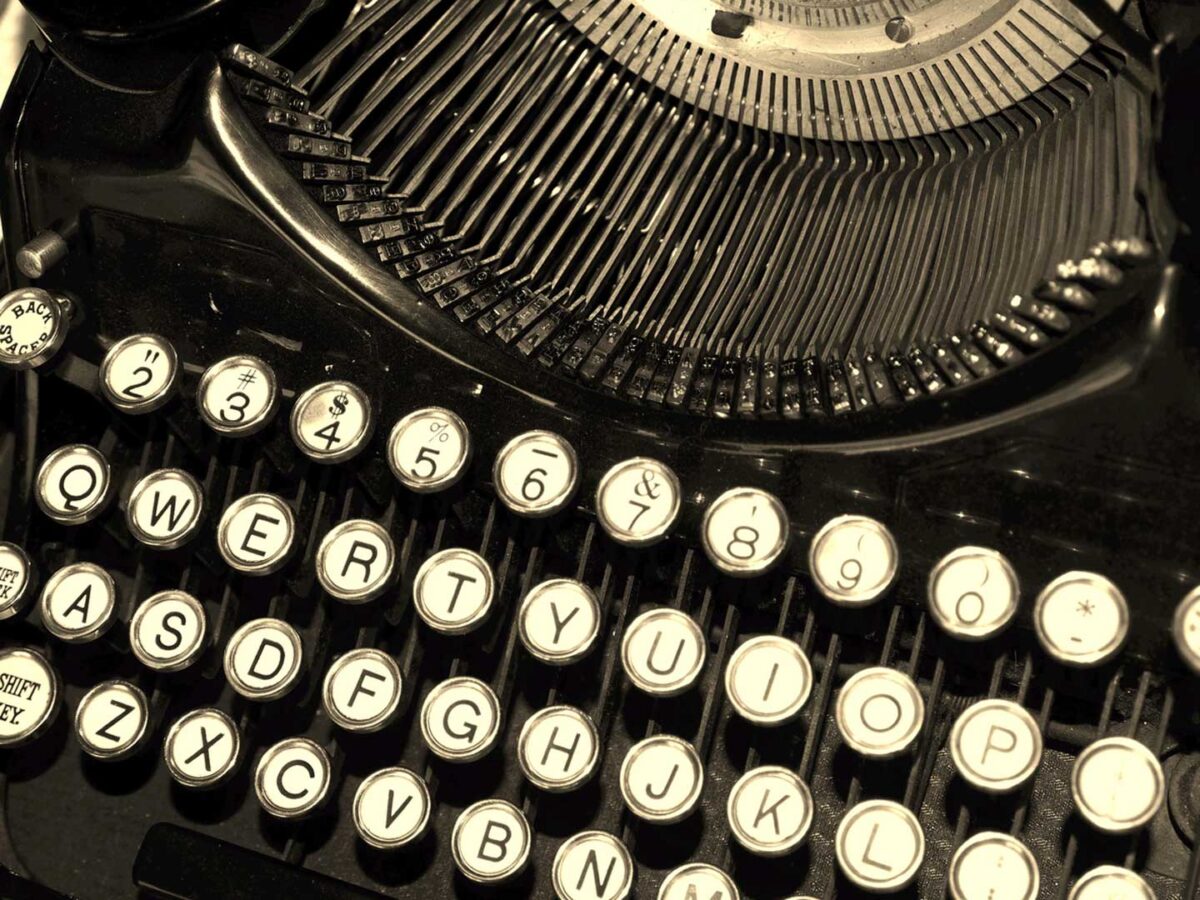
Text follows a similar path in its digital transformation, shifting from physical, analog formats to binary-based digital ones. For comparison, early analog text formats included handwritten documents and typewriters, where each letter was stamped onto a page using mechanical arms. While revolutionary at the time, typewriters lacked the ability to easily erase mistakes, making editing difficult.
In contrast, digital text—such as typing on a laptop—offers far greater flexibility, allowing effortless corrections and formatting adjustments. Each character typed on a keyboard is mapped to a binary code, enabling real-time conversion into digital text. A key tradeoff in text digitization is its reliance on technology; if a digital system malfunctions, recovering or fixing the text can be far more challenging than simply rewriting it on paper or replacing a typewriter ribbon.
The digitalization of sound and text has transformed accessibility, efficiency, and ease of use. Although digital formats outperform analog ones in speed and quality, they still rely on analog processes—such as converting sound waves or handwritten text into binary data. While these tradeoffs exist, the benefits of digitalization far outweigh the limitations, solidifying its role in modern communication and media consumption.
Rewritten and Revised by Microsoft Copilot